
Non-surgical aesthetic treatments are becoming more popular every year. You may hear people talk about Botox, fillers, skin tightening, or laser treatments as easy ways to look fresh without surgery. These treatments can help smooth wrinkles, improve skin, and boost confidence—all without cuts or long recovery time. But before you start, it’s important to understand what these treatments are, how they work, and how to stay safe.
This article explains everything in simple, clear language. You don’t need to be a doctor to understand it. Think of it as a friendly guide to help you make smart and safe choices.
What Are Non-Surgical Aesthetic Treatments?
Non-surgical aesthetic treatments are beauty treatments that do not involve surgery. That means no cutting, no stitches, and usually no long hospital stays. These treatments work on the skin, muscles, or fat under the skin to improve how you look.
Common examples include injections that relax wrinkles, fillers that add volume, treatments that tighten skin, and procedures that improve skin color and texture. Most of these treatments are quick and done in a clinic. Some take as little as 15 to 30 minutes.
Even though they are called “non-surgical,” they are still medical treatments. They affect your body and must be done carefully. That’s why learning about them before starting is so important.
You may also like to read: Why Expert-Led Aesthetic Treatments Deliver Safer and More Natural Results
Why Are Non-Surgical Treatments So Popular Today?
Many people choose non-surgical treatments because they are faster and easier than surgery. There is usually less pain, lower cost, and little to no recovery time. Some people go back to work the same day.
Another reason is natural-looking results. When done correctly, these treatments can make you look refreshed instead of “changed.” People may say you look well-rested or healthier, not like you had work done.
Social media and video calls have also increased interest. When people see themselves on screens more often, they notice small details about their face and skin. Non-surgical treatments feel like a simple solution—but simple does not mean risk-free.
Common Types of Non-Surgical Aesthetic Treatments
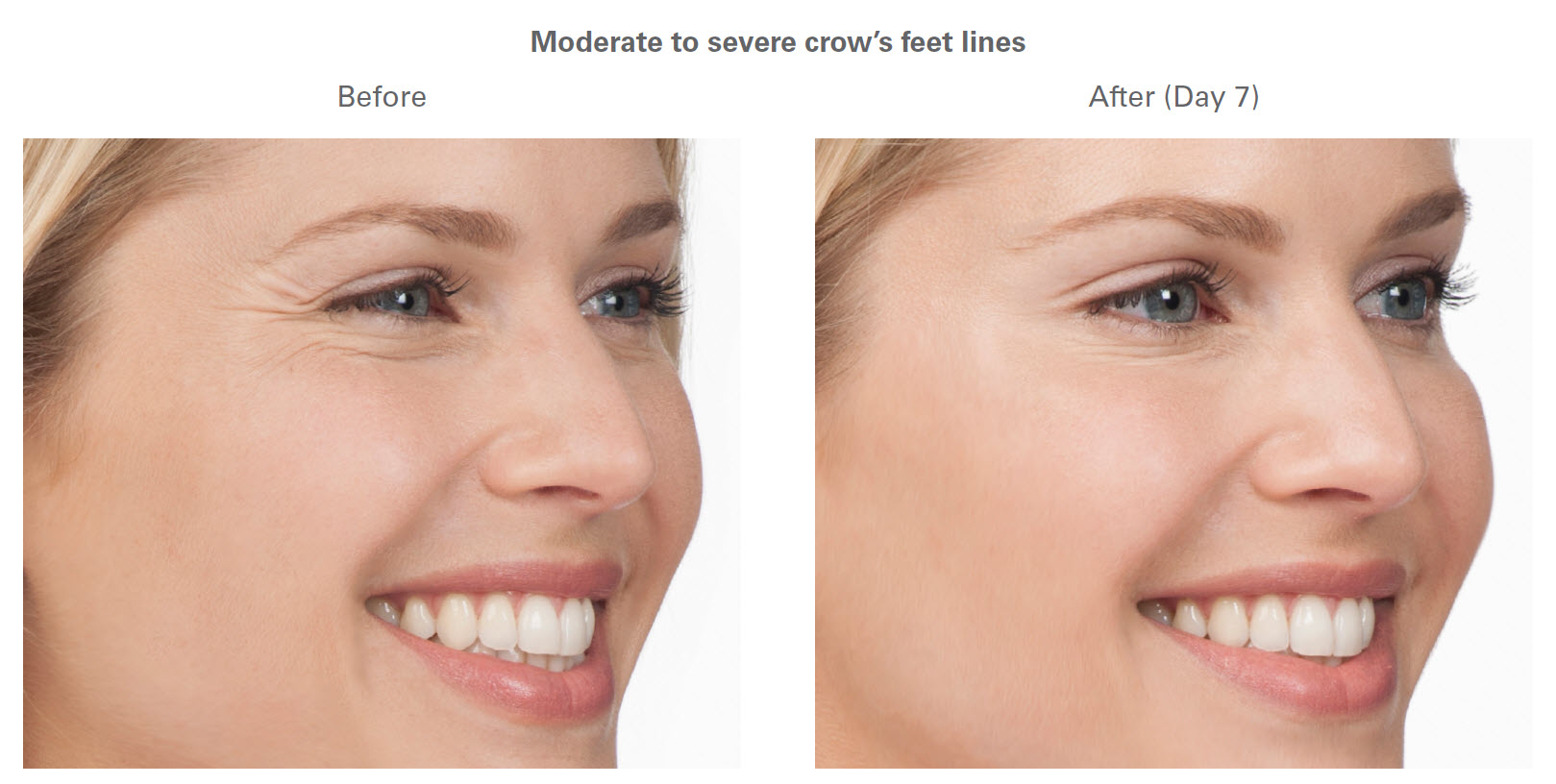
There are many types of non-surgical treatments, and each one does something different. Some relax muscles to reduce lines on the forehead or around the eyes. Others add volume to areas such as the lips or cheeks. Some focus on improving skin quality, such as treating acne scars, dark spots, or loose skin.
Want to read more about non-surgical aesthetic treatments? Click here:
Skin treatments may use light, heat, or gentle needles to help the skin heal and renew itself. These treatments can improve glow and smoothness over time.
Each treatment has its own purpose. That’s why it’s important not to choose based on trends, but on what your skin actually needs.
Recommended For You: How to Choose the Right Cosmetic Treatment for Your Skin Type
Who Should Consider Non-Surgical Aesthetic Treatments?
Non-surgical treatments are for people who want small to moderate improvements without surgery. They are not meant to completely change how you look. They work best when you want to enhance your natural features.
Age is not the only factor. Some younger people use treatments to prevent wrinkles, while older people use them to soften signs of aging. Skin type, health, and lifestyle also matter.
A good provider will tell you honestly if a treatment is right for you—or if it’s better to wait.
Why Choosing an Expert Matters
This is one of the most important things to understand. Non-surgical treatments may look easy, but they require skill and knowledge. Your face has muscles, nerves, and blood vessels. A mistake can cause pain, uneven results, or serious problems.
Experts are trained medical professionals who understand facial anatomy and safety. They know how much product to use and where to place it. They also know how to handle problems if something goes wrong.
Choosing an expert helps protect your health and gives you more natural results.
The Importance of a Proper Consultation
Before any treatment, there should be a consultation. This is a conversation in which the provider looks into your eyes, listens to your goals, and explains your options.
A good consultation helps set realistic expectations. You learn what a treatment can and cannot do. You also learn about risks, costs, and how long results may last.
If someone rushes you or skips this step, that is a warning sign. Good results start with good planning.
Take a time to read: Top Causes of Acne in Adults & Teenagers | Complete Dermatology Guide
Are Non-Surgical Treatments Safe?
When done by trained professionals using approved products, non-surgical treatments are generally safe. Millions of people get them every year with good results.
However, problems can happen if treatments are done by untrained people or in unsafe places. Risks include swelling, bruising, infection, or uneven results.
Safety depends on the provider, the product, and proper hygiene. Never choose a treatment just because it is cheap or fast.
What Results Should You Expect?
Non-surgical treatments usually give subtle results. You may look smoother, fresher, or more balanced—but still like yourself.
Results are not always instant. Some treatments take days or weeks to show full effects. Others wear off over time and need repeat sessions.
An expert will explain what to expect so you are not disappointed or surprised.
How to Prepare Before Starting a Treatment
Before treatment, follow your provider’s advice. This may include avoiding certain medicines, alcohol, or supplements.
Tell your provider about your health history and any allergies. Honest communication helps prevent problems.
Being prepared helps the treatment go smoothly.
Final Thoughts: Make Informed and Safe Choices
Non-surgical aesthetic treatments can be helpful and confidence-boosting when done properly. They are not magic fixes, but tools that work best with expert care and realistic expectations.
Take your time, ask questions, and choose safety over trends. Your face deserves careful, respectful treatment.
FAQs
1. Are non-surgical aesthetic treatments painful?
Most treatments cause little discomfort and are quick.
2. How long do results last?
It depends on the treatment. Some for last months, others for longer.
3. Can anyone get these treatments?
Not everyone. A consultation helps decide what’s safe for you.
4. Are results permanent?
Most non-surgical treatments are temporary.
5. How do I choose the right provider?
Look for training, experience, clean clinics, and honest communication.