

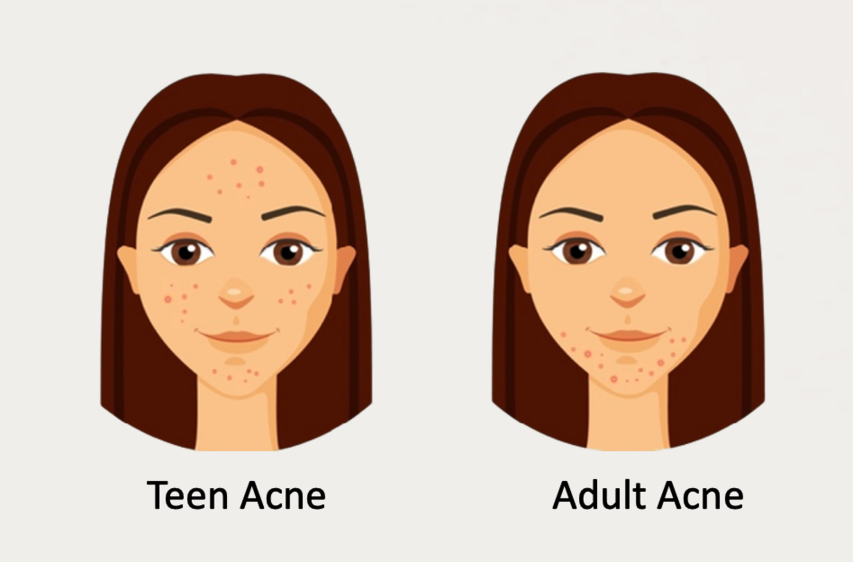
Acne is one of the most widespread skin conditions affecting millions of teenagers and adults globally. While it is commonly associated with puberty, studies show that a significant number of adults, especially women, continue to struggle with persistent or recurring acne. Breakouts occur when hair follicles become clogged with oil, dead skin cells, and bacteria, leading to inflammation in the form of pimples, blackheads, whiteheads, and sometimes painful cysts. Acne is most common on the face, back, chest, and shoulders, where sebaceous glands are most active. Understanding the root causes of acne can help choose the proper treatment and prevent future flare-ups.
Hormonal Changes in Teenagers
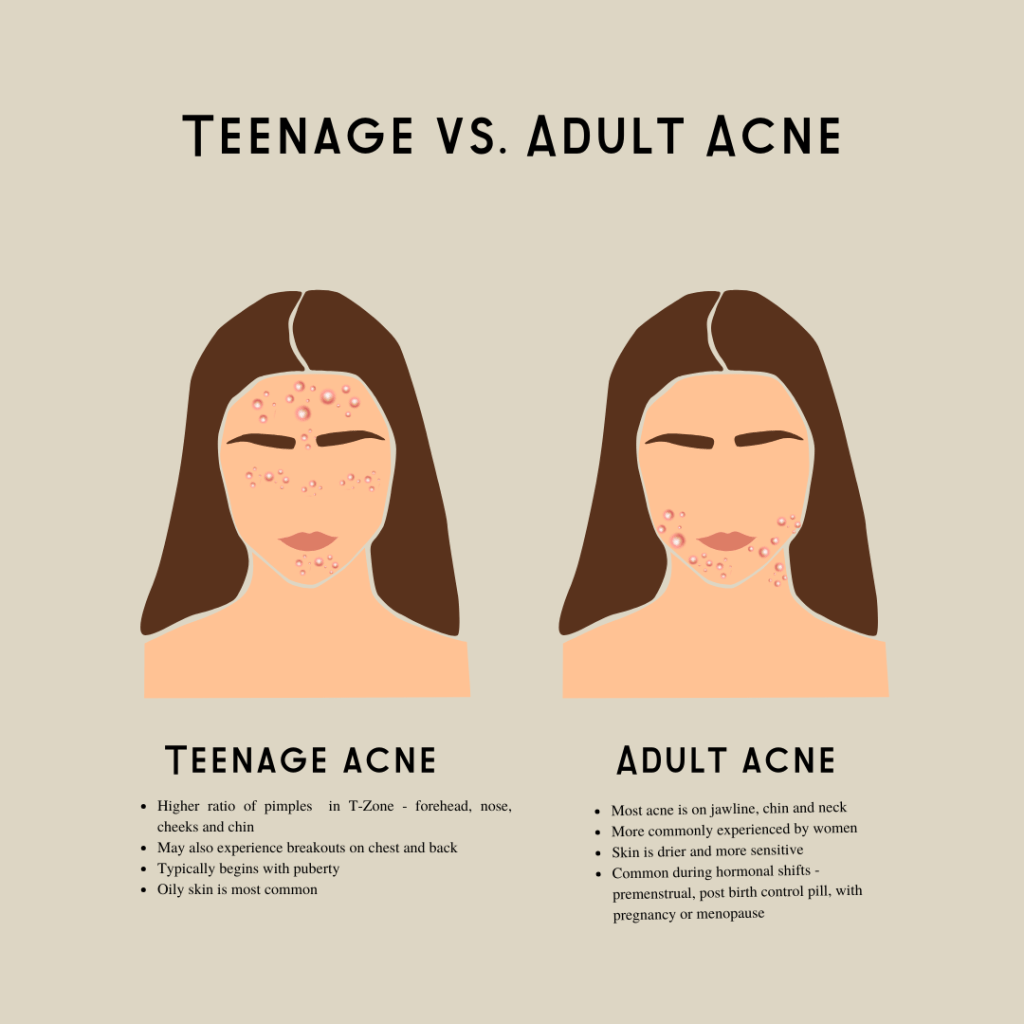
During adolescence, the body undergoes significant hormonal shifts, primarily an increase in androgens, which stimulate the sebaceous glands to produce more oil. This excess oil mixes with dead skin cells and blocks the pores, creating the perfect environment for acne to develop. Teenagers also experience rapid internal changes, and the skin often reacts aggressively to hormonal activity. As a result, they experience frequent breakouts on the face, forehead, and, sometimes, the back. This type of acne is common during puberty, but if left unmanaged, it can become more severe and lead to long-term scarring or pigmentation changes.
Excess Sebum and Oily Skin Texture in Teens
Teenagers naturally produce more sebum than adults, which can give their skin an oily appearance and increase the risk of clogged pores. When sebum production exceeds what the skin needs, the pores fill with oil, harbor bacteria, and eventually form pimples. This oily texture can also cause the skin to look shiny or greasy throughout the day. Without regular cleansing and proper skincare, blocked pores worsen, resulting in frequent breakouts across the T-zone, especially the nose and forehead. Teenagers with genetically oily skin are more prone to experiencing persistent acne.
Stress, Exams, and Academic Pressure in Teenagers
Stress plays a significant role in teenage acne. During exam seasons or emotional stress, the body produces cortisol, a stress hormone that increases inflammation and stimulates oil production. This hormonal rise leads to sudden flare-ups, especially around the cheeks and forehead. Teenagers face academic pressure, social expectations, and personal insecurities, which further contribute to anxiety-related acne. While stress alone does not cause acne, it makes existing acne worse and causes new breakouts to appear more frequently.
Hormonal Imbalance in Adults
Acne in adults is often deeply linked with hormonal fluctuations. Women are particularly vulnerable during menstruation, pregnancy, postpartum recovery, PCOS (Polycystic Ovary Syndrome), and menopause. These hormonal shifts stimulate oil glands, leading to painful cystic acne, usually around the jawline and chin. Unlike teenage acne, which is widespread, adult hormonal acne tends to appear in specific areas and can be persistent for years if not treated properly. Many adult patients dismiss acne as temporary, but if the root hormonal imbalance is not managed, breakouts continue and leave marks or scars behind.
Workload Stress and Everyday Pressure in Adult Life
Adults face constant mental strain — balancing work, relationships, finances, and family responsibilities. Prolonged stress increases cortisol levels and disrupts normal hormonal balance, which can trigger acne even in people who never experienced it in their teenage years. Stress also interferes with sleep patterns, slows down skin recovery, weakens the immune system, and increases inflammation. This results in more frequent breakouts and slower healing of existing pimples. Adults who work long hours, lack work-life balance, or carry emotional stress are more likely to experience acne flare-ups.
Diet, Lifestyle Choices, and Adult Acne
The modern diet contains sugar-rich foods, fried meals, excessive dairy, and processed snacks that increase internal inflammation and worsen acne. Adults who consume sweet beverages, fast food, or refined carbohydrates regularly often notice more breakouts around the cheeks and jaw. Lack of water intake dehydrates the skin, leading to dullness and clogged pores, while habits like smoking further damage the skin barrier and slow down healing. A nutrition-deficient lifestyle combined with irregular eating patterns and low hydration is a significant contributing factor to persistent adult acne.
Incorrect or Heavy Skincare Products
Many people unknowingly use products that clog pores, trigger irritation, or increase oil production. Heavy creams, oil-based foundations, and long-lasting makeup can form a layer on the skin that prevents it from breathing naturally. If makeup is not adequately removed before bed, it can trap bacteria and dirt in the pores, leading to acne the next morning. Skincare products labelled as comedogenic block pores and lead to blackheads, whiteheads, and deep pimples. Adults who switch products frequently or rely on harsh chemicals also weaken their skin barrier, causing frequent breakouts.
Lack of Sleep and Slow Skin Healing
Proper sleep is essential for skin regeneration. When adults sleep less, their body produces more stress hormones and reduce collagen repair, which makes acne harder to heal. Inadequate sleep increases inflammation and slows down cell turnover, leading to dull skin, clogged pores, and stubborn pimples. People who work late nights, spend hours on screens, or lack sleeping discipline often develop acne even if they maintain a healthy skincare routine. Good sleep restores skin balance, reduces oil production, and prevents new breakouts.
Medical Conditions and Medication-Triggered Acne
Certain medical conditions and medications can trigger acne even in individuals who have never had skin problems before. Treatments such as steroids, lithium, some hormonal therapies, and birth control pills influence the body's internal chemistry and increase oil activity beneath the skin. When medications disrupt natural hormonal regulation, acne appears as a side effect. In such cases, treating acne requires not only skincare but also medical evaluation to review medication dosage or suitable alternatives.
Understanding Shared Causes Between Adults and Teenagers
While some causes differ by age, both teenagers and adults experience acne due to genetics, bacterial growth in pores, pollution, and the use of harsh products. If a person has a family history of acne, the risk of developing acne is naturally higher. Pollution and environmental toxins accumulate on the skin's surface throughout the day and combine with sweat and oil to clog pores. Harsh soaps, over-exfoliation, and alcohol-based products damage the skin barrier, leaving it irritated and more prone to breakouts. These common triggers make acne a shared concern across all age groups.
Treating Acne and When to See a Dermatologist
Treating acne requires consistent skincare habits and, in many cases, professional medical guidance. Mild acne may improve with lifestyle changes, gentle cleansing, and non-irritating products, but persistent, painful, or cystic acne should not be ignored. Dermatologists can recommend treatments such as retinoids, salicylic acid, benzoyl peroxide, antibiotics, or advanced procedures like chemical peels, PRP therapy, or laser treatment, depending on the condition. Seeking help early can prevent scarring, pigmentation, and long-term skin damage.
Conclusion
Acne is not just a temporary teenage condition — it affects adults equally and often carries emotional, social, and psychological impact. Whether triggered by hormones, stress, diet, or skincare products, identifying the cause is the most critical step in effective treatment. With proper care, healthy habits, and guidance from a skin specialist, clearer skin is achievable at any age. Acne does not define you, and the right approach can help you regain confidence, comfort, and a smooth, healthy complexion.
FAQ
1. Can teenagers and adults have the same type of acne?
Yes, both can experience similar breakouts such as blackheads, whiteheads, and inflammatory pimples. However, teenagers usually get acne from puberty and excess oil production, while adults more commonly develop hormonal or stress-related acne.
2. Does diet really affect acne?
Diet does not cause acne alone, but certain foods like sugar, dairy, and oily meals can trigger inflammation and worsen breakouts. A balanced diet with antioxidants and enough water helps improve skin clarity.
3. Why do women get acne more often than men in adulthood?
Women experience acne more frequently due to hormonal fluctuations during menstruation, pregnancy, PCOS, and menopause. These hormonal shifts can lead to breakouts on the jawline and chin.
4. Can stress cause acne even if I have a good skincare routine?
Yes. Stress increases cortisol levels, which stimulates oil production and delays skin healing. Even the best skincare cannot entirely prevent stress-triggered breakouts without emotional balance and healthy sleep.
5. When should I visit a dermatologist for acne?
If acne is painful, cystic, leaves dark marks, or does not improve after consistent home care, a dermatologist should be consulted. Early treatment prevents scarring and long-term skin damage.
6. Can acne be cured entirely?
Acne can be effectively controlled and minimized with proper treatment, but it may not disappear overnight. Long-term management through skincare, lifestyle adjustments, and professional treatment ensures clear, healthy skin over time.